

Paediatric Endoscopy
Endoscopy is a valuable diagnostic and therapeutic tool in children, allowing paediatric surgeons to examine the digestive tract and, where necessary, perform interventions using thin, flexible cameras — without the need for open surgery. Dr Ben Wagstaff performs upper and lower gastrointestinal endoscopy in children and adolescents when this is clinically indicated.
What is Paediatric Endoscopy?
Paediatric endoscopy involves the use of a thin, flexible instrument (an endoscope) fitted with a small camera to examine the lining of the gastrointestinal tract. It is performed under general anaesthetic in children to ensure they are completely comfortable throughout the procedure.
There are two main types of endoscopy:
Upper GI endoscopy (gastroscopy) — examines the oesophagus, stomach, and first part of the small intestine (duodenum)
Lower GI endoscopy (colonoscopy) — examines the large bowel (colon) and rectum
When Might Endoscopy Be Recommended?
Endoscopy may be recommended when a child has symptoms or findings that warrant direct examination of the digestive tract. Common reasons include:
Persistent or unexplained abdominal pain
Gastrointestinal bleeding (blood in vomit or stools)
Unexplained weight loss or faltering growth
Chronic diarrhoea or constipation not responding to treatment
Suspected inflammatory bowel disease (Crohn's disease or ulcerative colitis)
Coeliac disease assessment
Swallowing difficulties or food impaction
Foreign body removal from the oesophagus or stomach
Surveillance in children with known polyposis syndromes
What Happens During the Procedure?
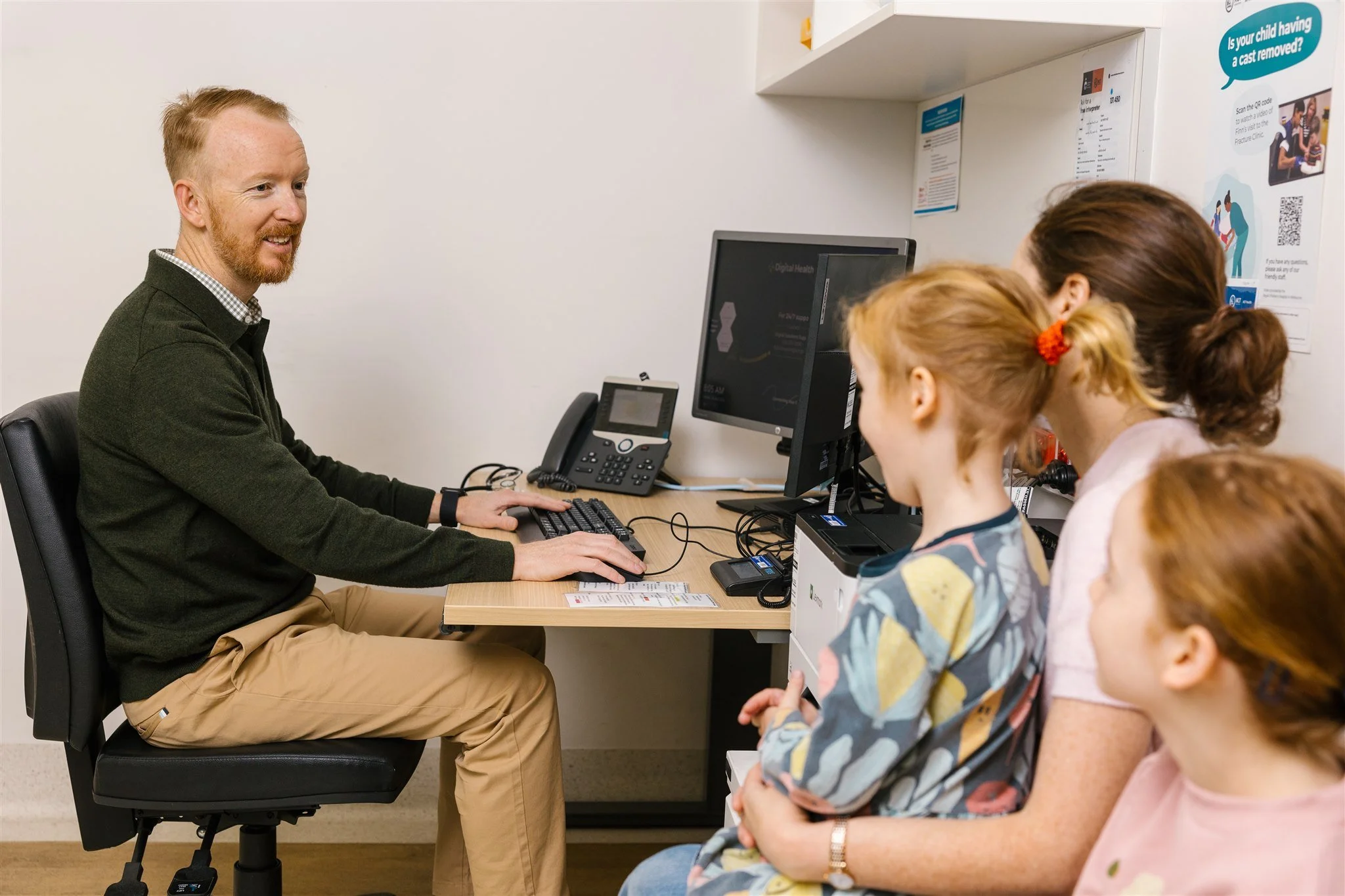
Paediatric endoscopy is performed under general anaesthetic, meaning your child will be fully asleep throughout. The procedure itself is typically brief, and most children recover quickly and are able to return home the same day.
Dr Wagstaff will discuss the specific procedure with you beforehand, including preparation requirements, what to expect on the day, and how results will be communicated.
After the Procedure
Most children tolerate endoscopy well. Your child may experience mild throat discomfort (after gastroscopy) or some bloating (after colonoscopy), both of which usually settle within a day. Dr Wagstaff will discuss the findings with you after the procedure, and any biopsy results will be communicated to you and your referring doctor in due course.
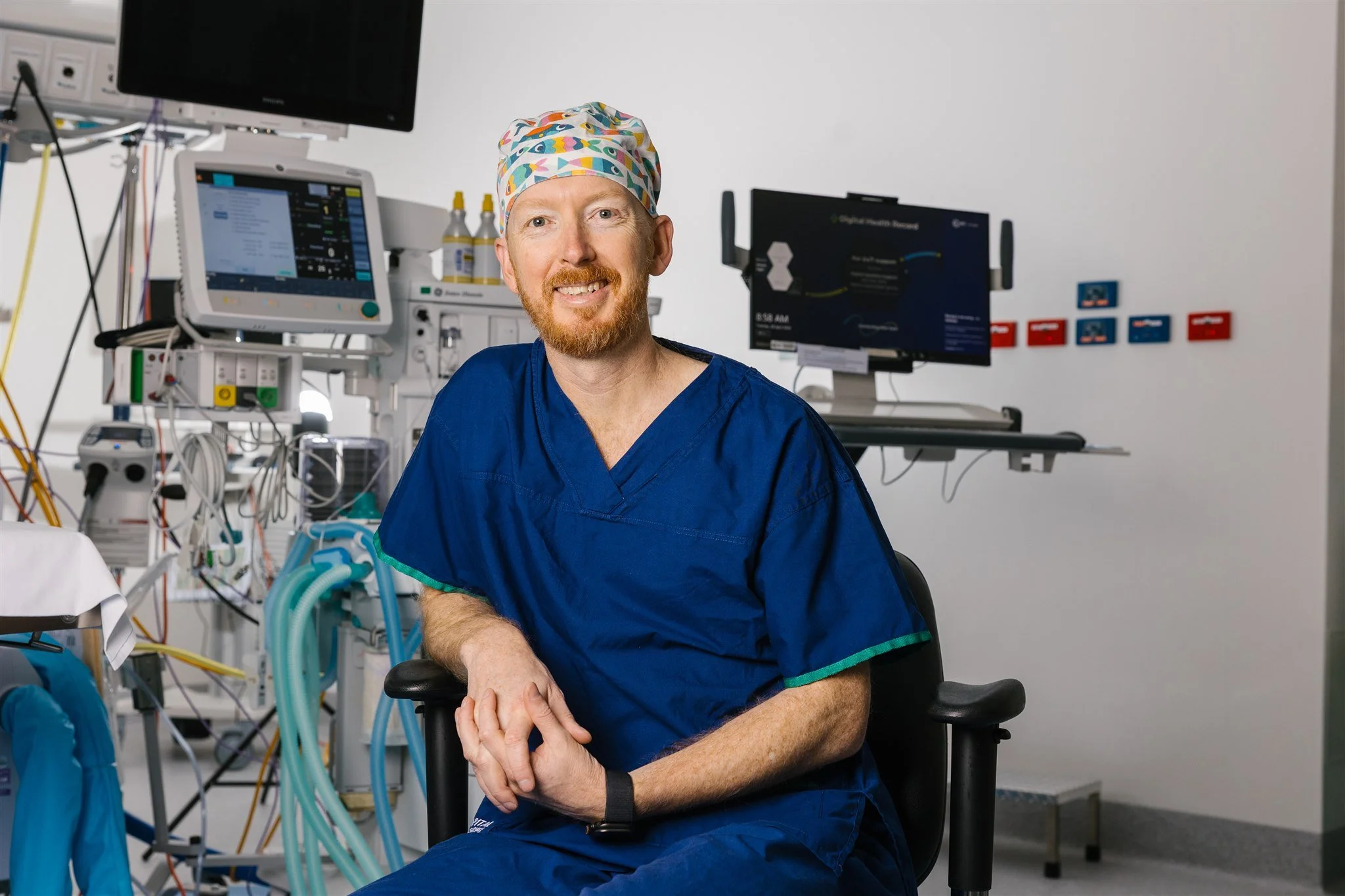
Paediatric Surgeon Canberra Dr Ben Wagstaff
A referral from your GP or paediatrician is required. Please contact Dr Wagstaff's rooms to discuss whether endoscopy may be appropriate for your child.